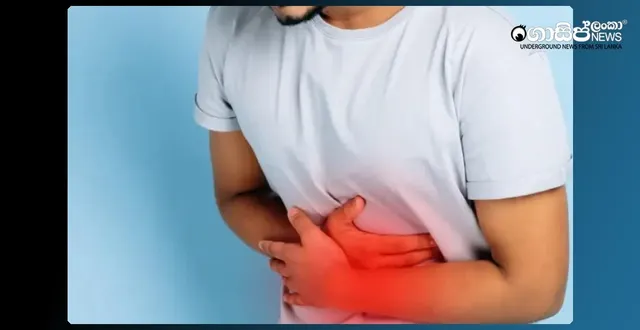
When feeling a heaviness in the stomach, pain around the navel, or aches across the abdomen after meals, many people assume it is simply a case of 'gas'. However, Dr. Anukalp Prakash, Director of Gastroenterology at the CK Birla Hospital in India, points out that this is not always the case. This information was reported by the NDTV website.
The doctor explains that gas pain can develop in various parts of the abdomen, and its symptoms closely mirror those of other medical conditions. When gas becomes trapped in the stomach or upper digestive tract, a feeling of fullness or pressure below the ribs can occur. While burping and nausea may also accompany this, persistent pain in the upper abdomen could also stem from acidity, gastritis, or gallbladder issues.
Key Points
- Gas pain can appear in different areas of the abdomen and mimic symptoms of other ailments.
- Persistent upper abdominal pain could also indicate gastritis or a gallbladder problem.
- A continuous sharp pain on the right side could be a sign of appendicitis or gallbladder-related issues.
- Walking for 10 to 15 minutes after meals and applying warm compresses can provide home relief.
Pain felt in different areas of the abdomen
When gas accumulates in the intestines, a cramping or rolling pain may develop in the lower abdomen, frequently shifting between the left and right sides. Relief is typically experienced after passing gas or having a bowel movement.
Gas trapped in the right side of the colon can cause pain below the right ribcage or on the right side of the abdomen. However, if this pain remains severe and persistent, it could be an early warning sign of appendicitis or gallbladder disease, the doctor warns. Similarly, a sharp or churning ache below the left ribs, as well as tightness around the navel accompanied by rumbling stomach sounds, can also be triggered by gas build-up.
Simple home remedies
Dr. Anukalp Prakash notes that several healthy habits can be adopted to manage excessive gas formation. Walking for 10 to 15 minutes after eating, drinking adequate water throughout the day, and applying a warm compress to the abdominal area can provide quick relief.
Furthermore, it is important to eat slowly and chew food thoroughly rather than rushing through meals. Identifying and avoiding trigger foods that cause personal intolerance has also been advised as an effective way to prevent gas pain.
Read also:
- Massive defeat for Trump in midterm elections: wave of satire stirs social media
- Militarism rejected: unexpected defeat for Trump's party in US midterms
- European flights disrupted by wave of bomb threats