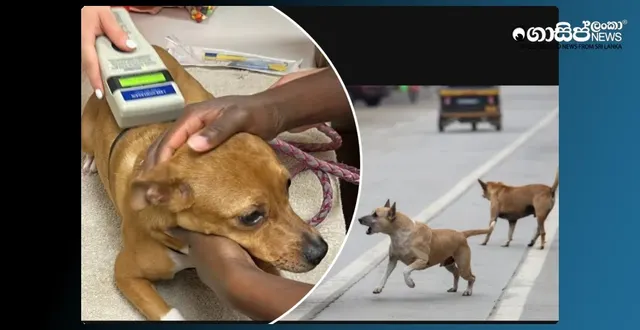
The rise in the stray dog population across the island, including in tourist hubs such as Galle, has long been a serious issue, with the lack of proper data posing a major challenge to authorities. As a remedy, the Veterinary Association for Humane Animal Population Management has introduced this new microchipping method.
It is reported that the Homagama Pradeshiya Sabha has already commenced implementing the initial phase of this project within its jurisdiction, collecting data on dogs.
Key Points
- This programme has been introduced by the Veterinary Association for Humane Animal Population Management.
- The Homagama Pradeshiya Sabha has already initiated this as a pilot phase.
- It costs around Rs. 500 to implant a microchip in one dog.
- Plans are underway to implement this method islandwide in the future.
How is the chip implanted?
Under this method, a tiny microchip is implanted beneath the skin of the animal's neck without any major surgical intervention. Imported through a local company, this costs only around Rs. 500 per animal.
Dr. Chamith Nanayakkara pointed out that by scanning this chip using a special reader, details regarding the animal's breed, administered vaccinations, medical history, and owner information can be easily retrieved.
Benefits and limitations
This allows authorities to ascertain an animal's vaccination records and decide on appropriate treatment if a person is bitten, prevents unnecessary re-vaccinations, and helps reunite lost pets with their owners.
However, it is noted that these are not GPS devices and cannot track an animal's live location; the animal must be approached and scanned to access the information.
What lies ahead?
Plans are reportedly in place to expand this system across the entire island in the future, following the current small-scale trial in Homagama.